
Working with brick, flint, and natural stone requires a specialist understanding of traditional materials. At Anglian Heritage, we use traditional lime mortar to ensure historic buildings remain true to their original character while maintaining breathability, flexibility, and long-term structural integrity.

Traditional Flint Wall & Stone Repairs
Historic flint walls and stonework can deteriorate over time due to weather exposure, failed pointing and unsuitable modern repair materials. When moisture becomes trapped within traditional masonry, it can lead to movement, surface damage and weakening of surrounding materials.
Using traditional lime mortar repair methods, we carefully restore flint walls, natural stone and heritage masonry while maintaining the building’s ability to breathe naturally. Each repair is tailored to the age, condition and construction of the property, ensuring compatibility with the original materials and protecting the long-term integrity of the structure.
From small repair works to larger restoration projects, our approach focuses on preserving the craftsmanship and character that make historic East Anglian buildings unique.
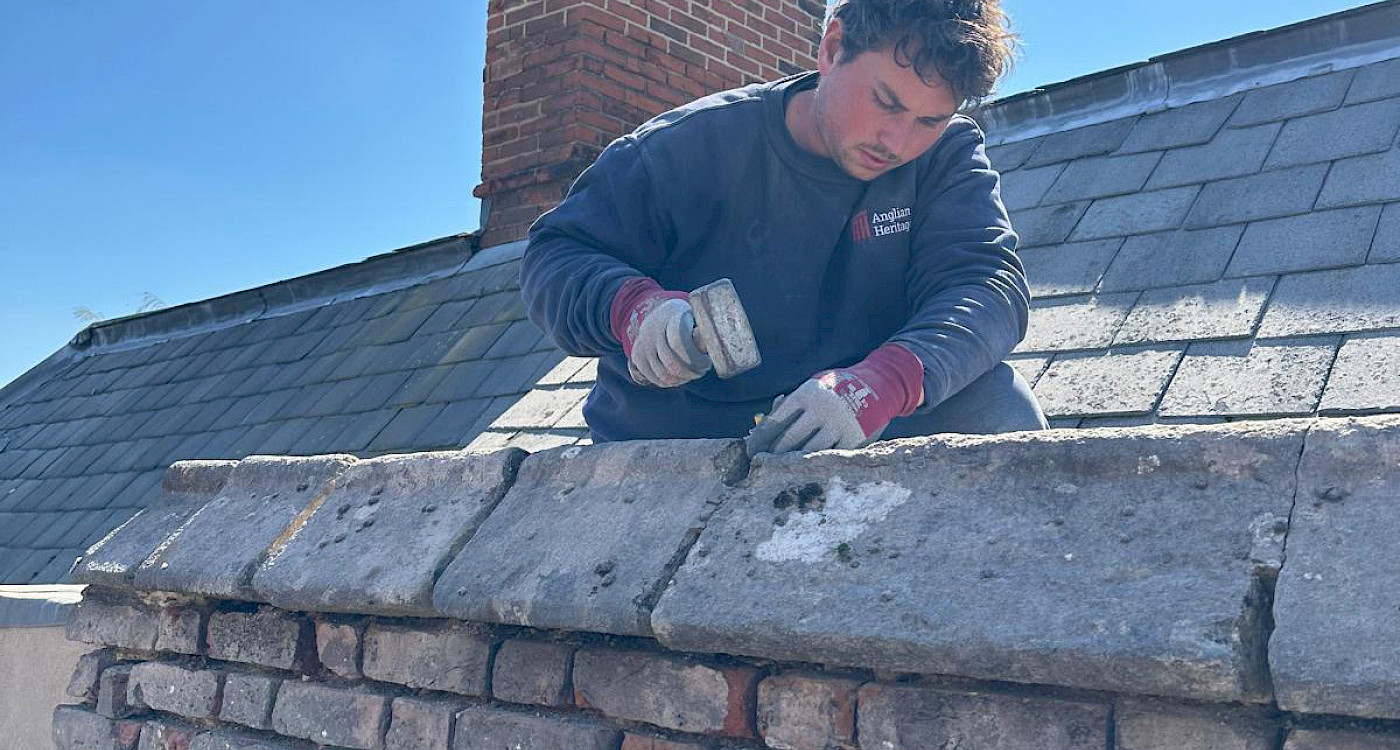
Conservation-Led Heritage Masonry Restoration
Historic stone and flint buildings require a conservation-led approach to retain their sustainability. We understand the importance of protecting original materials and the unique visual character of listed buildings in Norfolk and Suffolk.
Our team specialises in:
-
Historic Masonry Repairs: Careful restoration of decorative stone features and rubble-fill walls.
-
Sympathetic Matching: We match lime mortar colour, texture, and aggregate to complement existing flint and stonework.
-
Listed Building Repairs: Ensuring all work meets the stringent requirements of local conservation officers.
Gallery
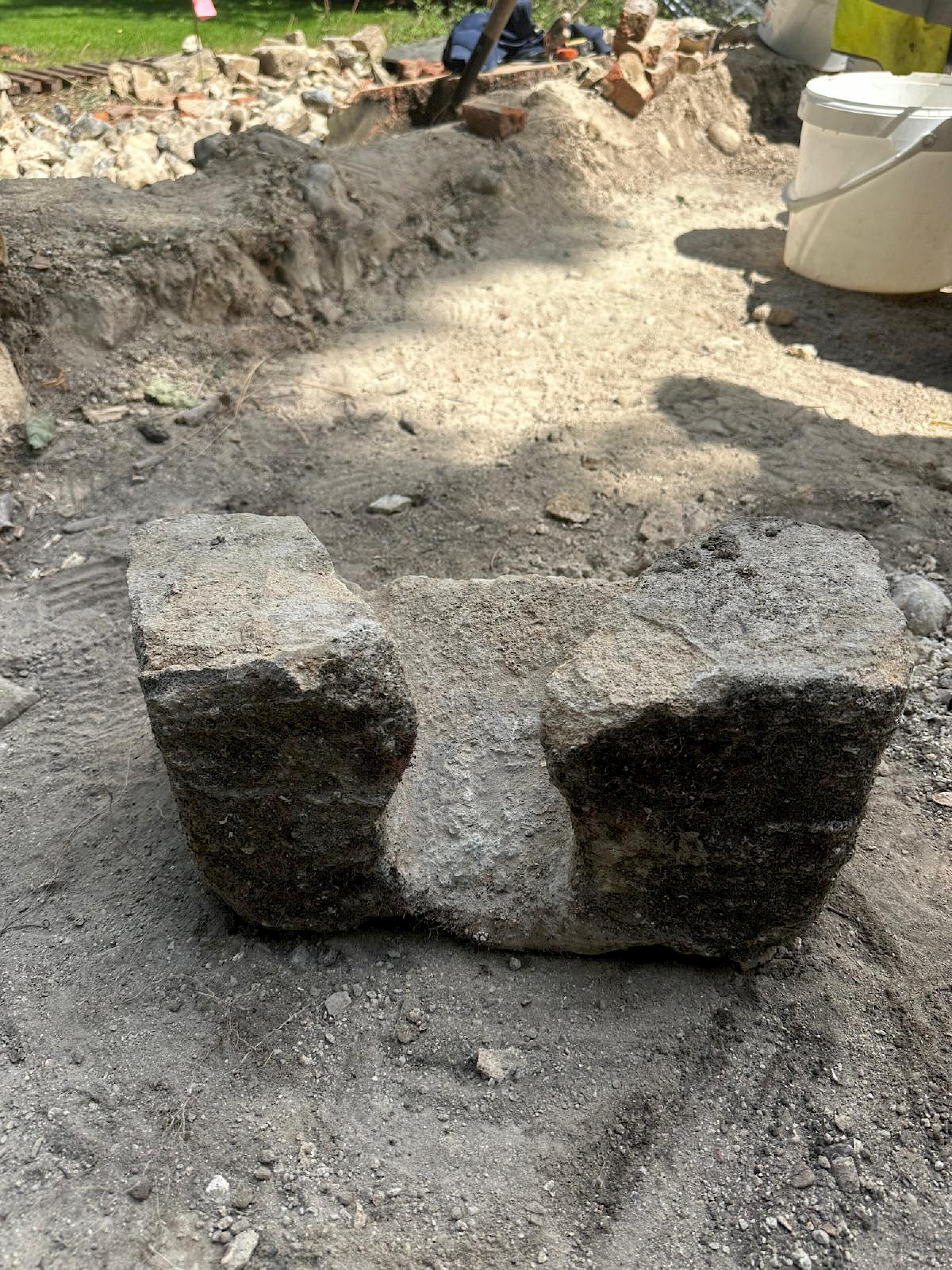
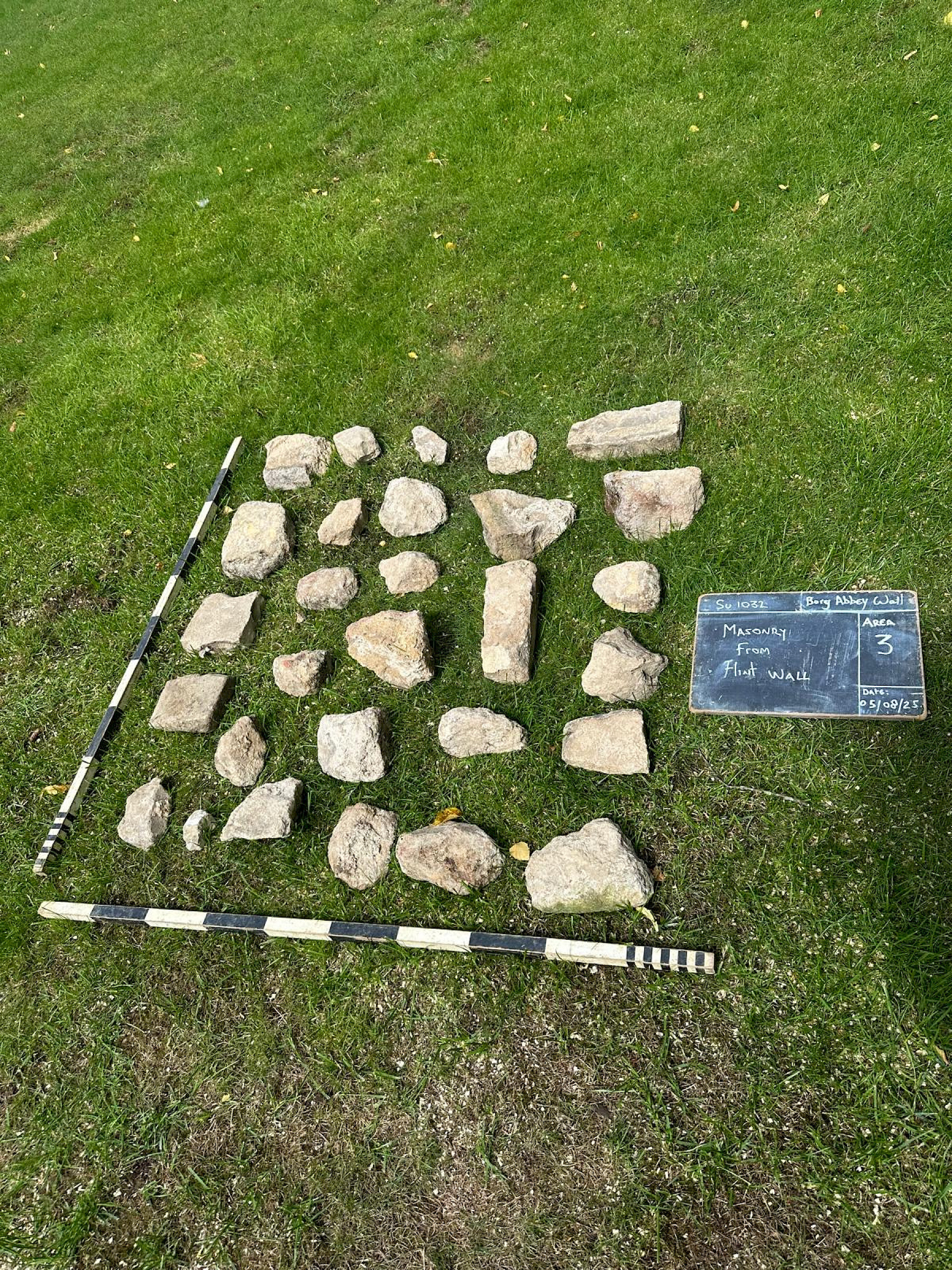
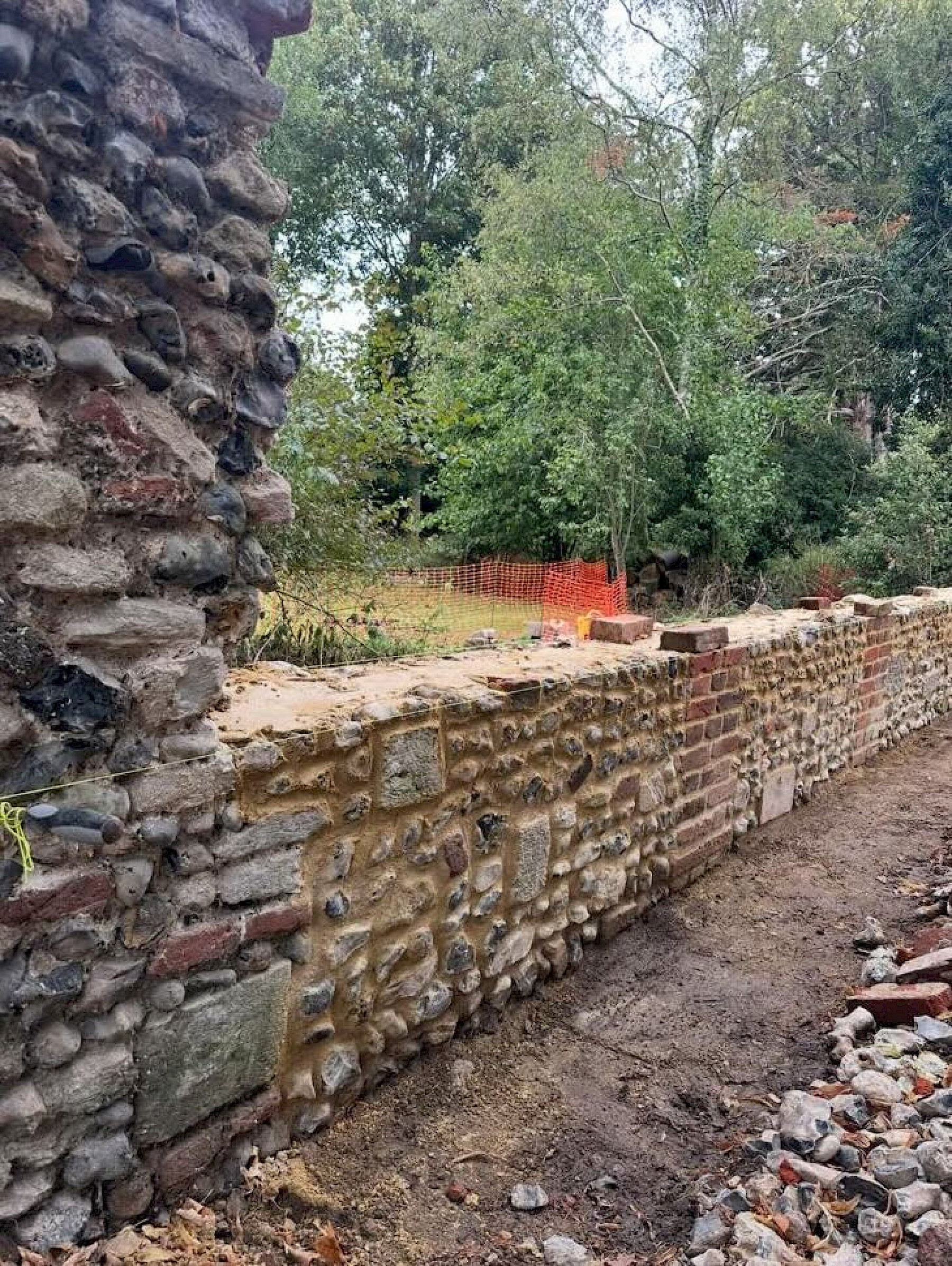
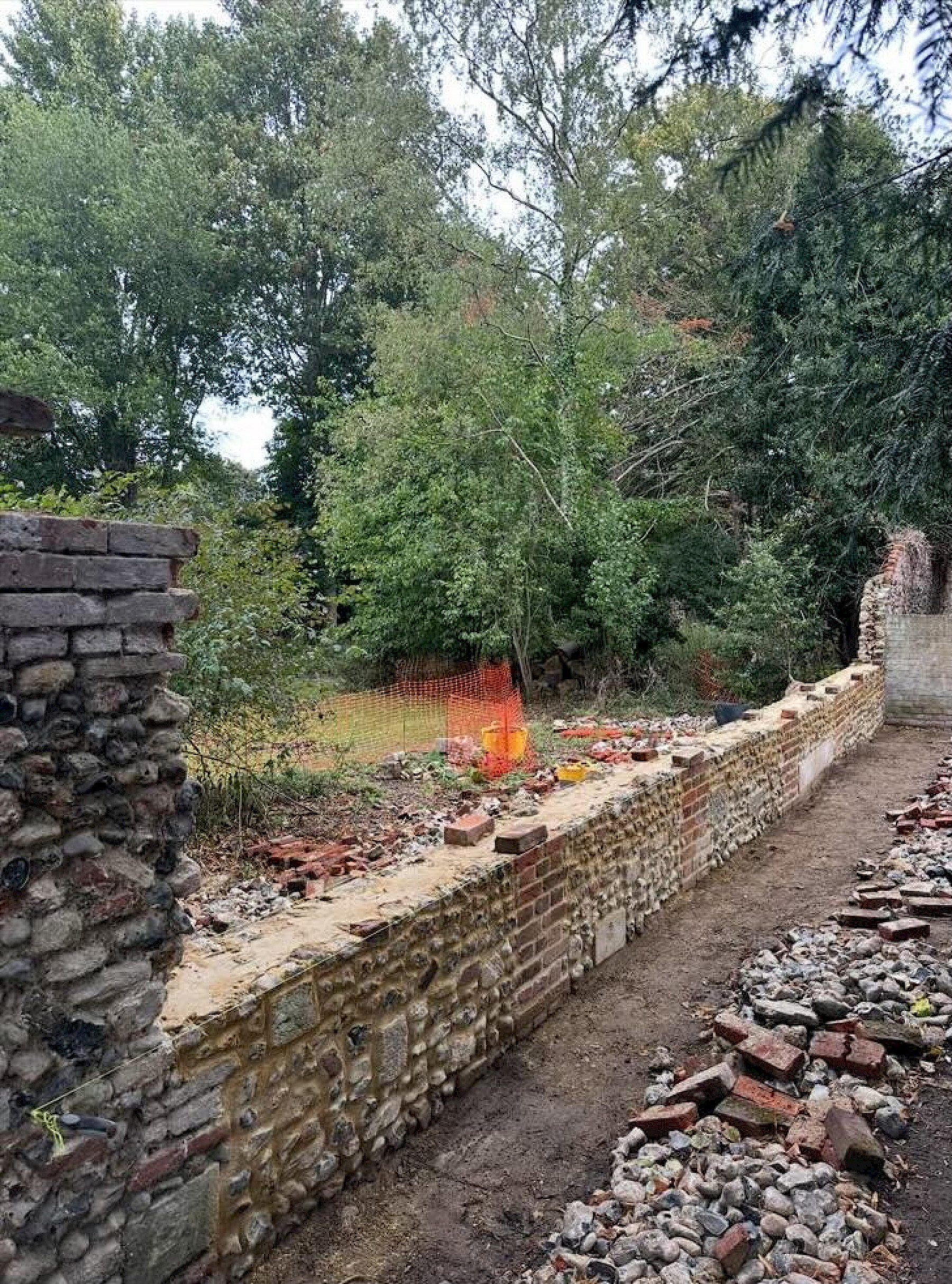
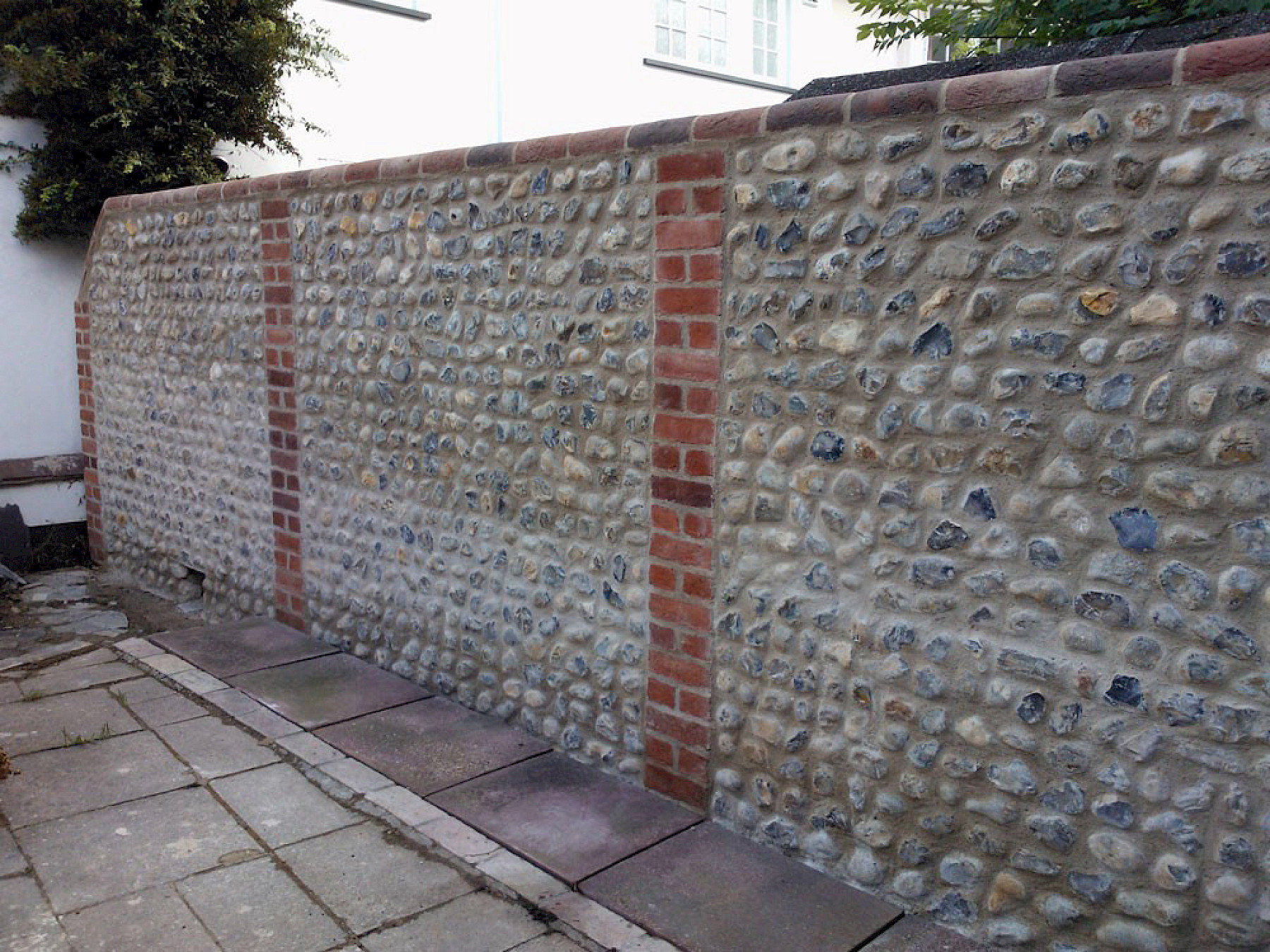
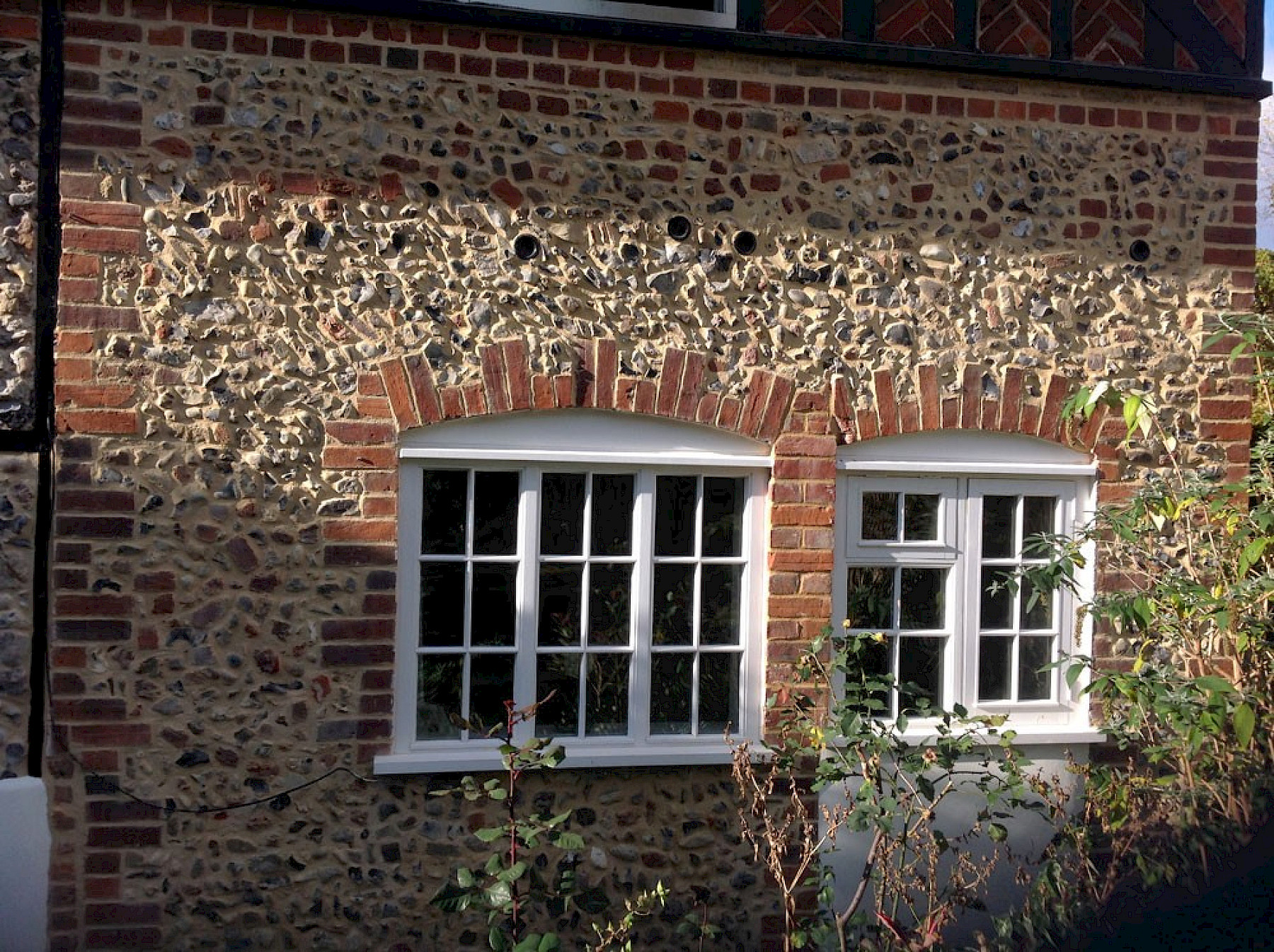
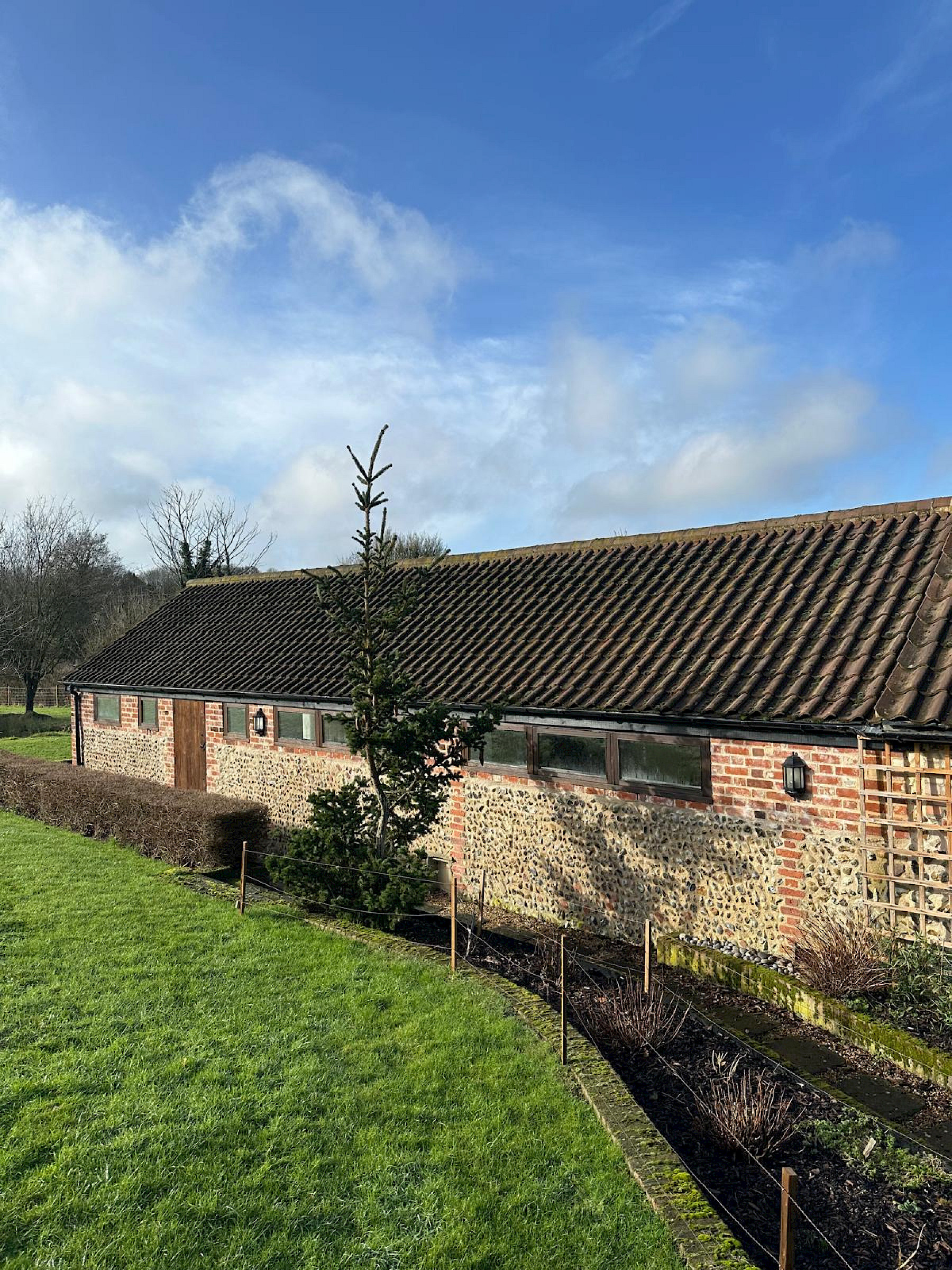
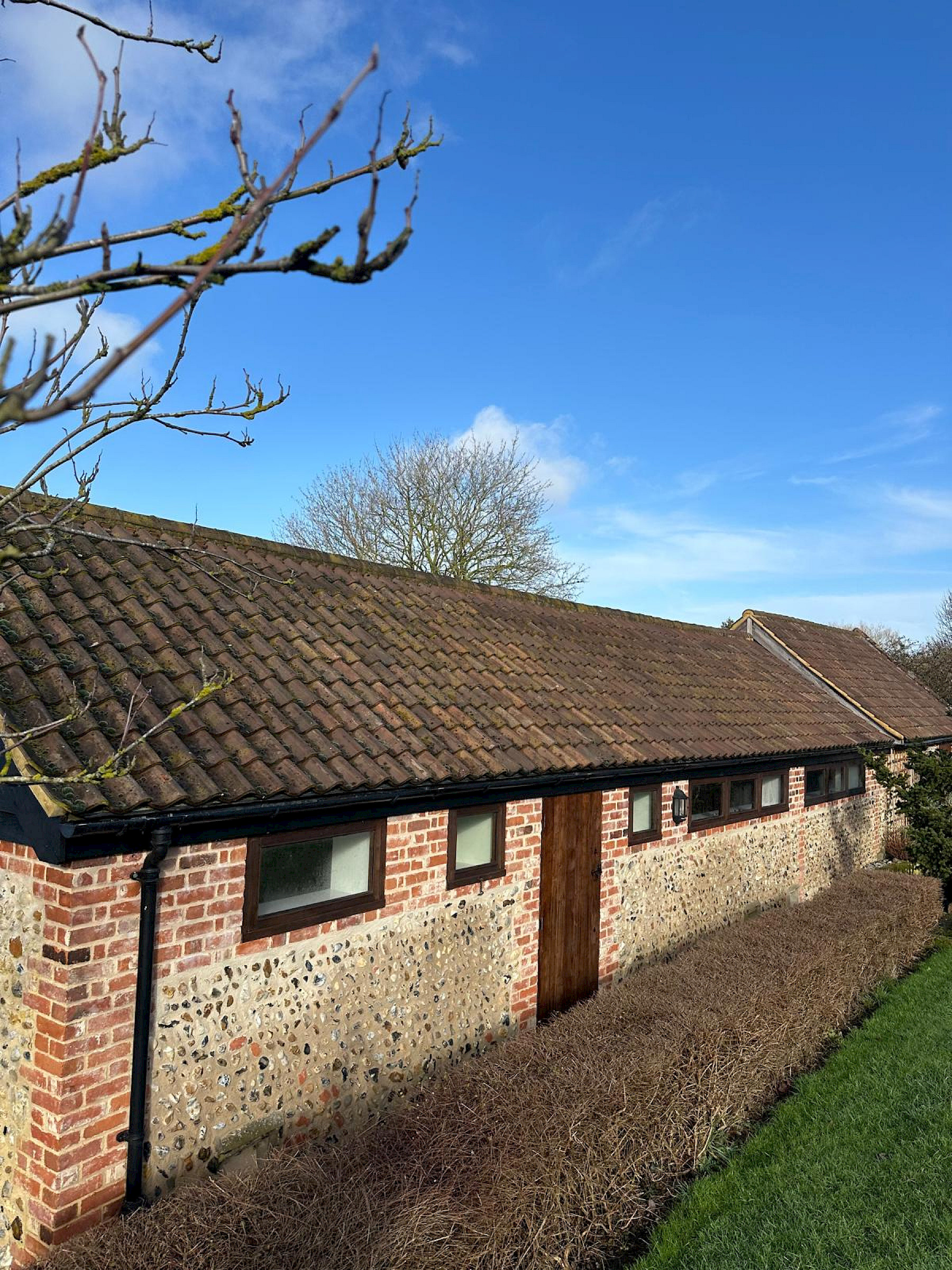
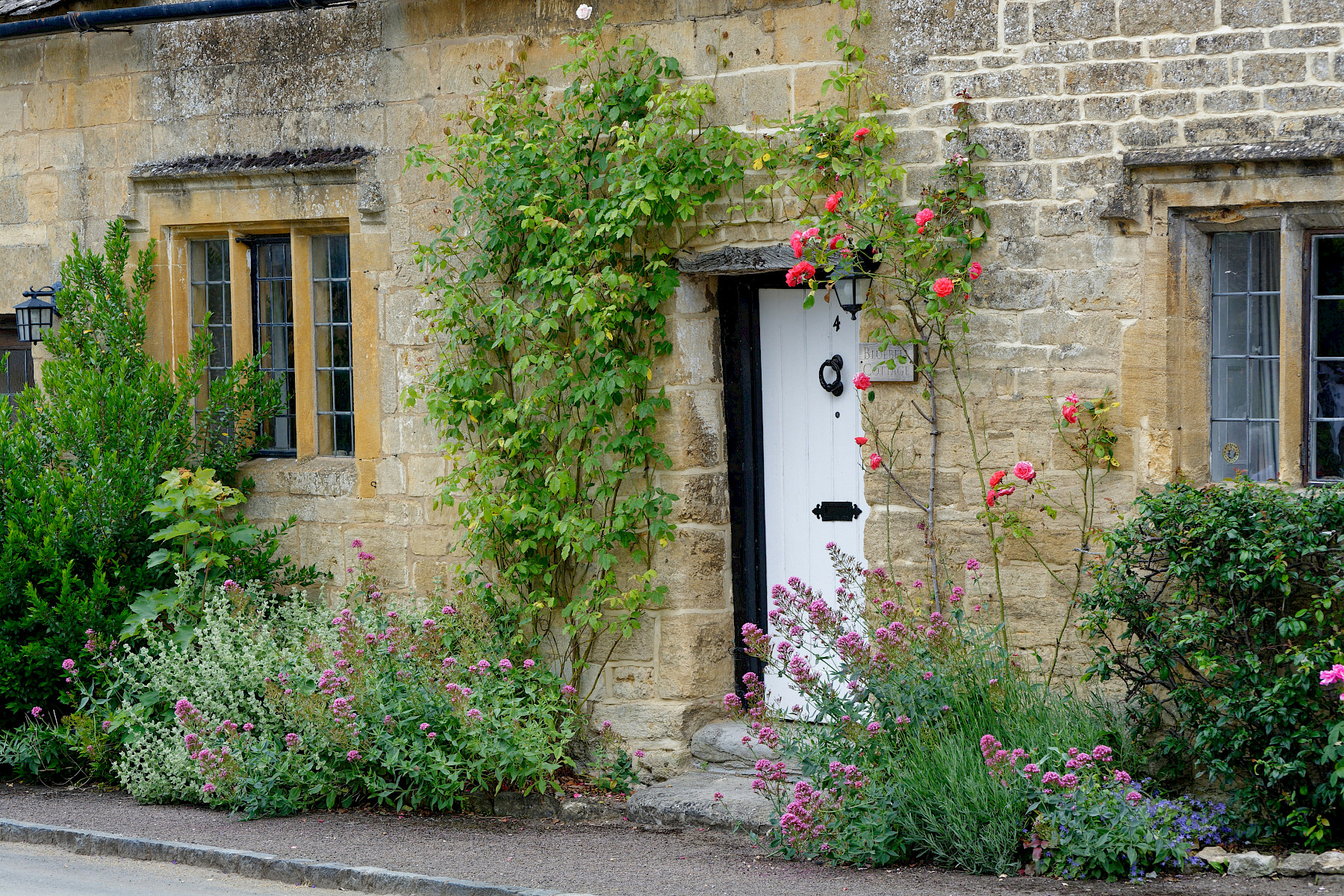
Our Flint & Stone Restoration and Lime Mortar Pointing gallery highlights the care and attention that goes into every heritage restoration project we undertake.



Testimonials
What people say about us
Anglian Heritage's standard of craftsmanship has been outstanding. It is clear that you and your team take enormous pride in your work, and your knowledge and skill as stonemasons have given us complete confidence throughout. Every repair has been approached with care, attention to detail and genuine respect for the history and character of our home.
Sara & Darren — Grade I listed building
We were delighted with the work carried out by Anglian Heritage. The lime screed floor and lime plastering throughout the property were completed to a high standard, with real care and attention to detail.
Trevor & Crinna — Grade II listed building
Reliable, knowledgeable with good quality workmanship.
Bill & Beryl — Grade I listed building
From the very beginning, Anglian Heritage professionalism has been evident in every aspect of the project. Anglian Heritage have always been punctual, reliable and incredibly well organised, which has made what could have been a very daunting process feel straightforward and reassuring.
Sara & Darren — Grade I listed building
Anglian Heritage's knowledge of traditional building methods and breathable materials gave us complete confidence throughout the project. We would have no hesitation in recommending Anglian Heritage to anyone undertaking the sympathetic restoration of a period property.
Trevor & Crinna — Grade II listed building
We feel incredibly fortunate to have found Anglian Heritage. The care, dedication and expertise you have shown are becoming increasingly rare, and we would not hesitate to recommend you to anyone looking for craftsmen who genuinely care about the buildings they work on.
Sara & Darren — Grade I listed building
Serving historic homes across East Anglia – from cottages to timber-framed halls.
We're here to help and discuss your restoration project.


